challenges of youth (HOOD)
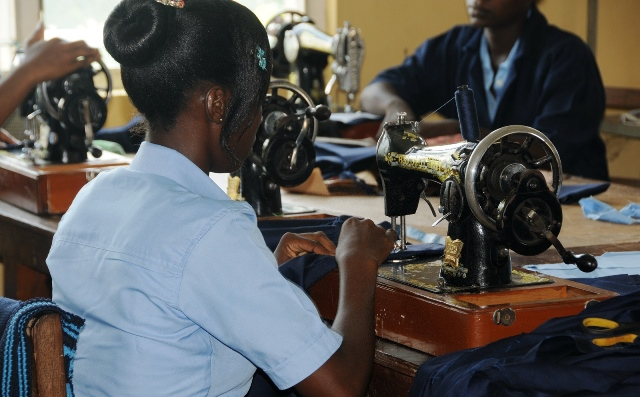
These are access to quality education for the youth in the educational sector with its attendant inadequate or inappropriate training for the job market; unemployment and underemployment, resulting from inadequate and inappropriate training for the job market and the negative effects of U
Urbanisation and Modernisation.
Others are the growing incidence of youth involved in violent conflicts (political, social and ethnic) and increasing juvenile crime, erosion of traditional social support systems for young persons and the weakened role of the family, leading to deviance, high incidence of drug and substance abuse, inadequate recreational and Counselling facilities and inadequate mentoring opportunities which lead to weak moral, social, cultural and religious values among the youth.
It is important to note that the youth represent the next generation and need to be fully engaged in sustainable paths of development and in the climate change debate.
According to the policy, the new millennium provides the youth the opportunity for a new beginning for them to be involved in national development, since they are potential leaders of any nation, and a valuable resource that must be harnessed for national development.
The policy rightly argues that youth development does not occur in a vacuum and the policy provides the opportunity for the government to engage the youth and other stakeholders in meaningful partnership to develop appropriate interventions and services for youth empowerment. The National Youth Policy adopted in August 2010, with the theme: “Towards an empowered youth, impacting positively on national development”, emphasises that the youth all over the world have been acknowledged as an important human resource with the potential to contribute significantly to national development and, therefore, must be accorded such recognition and be involved in national development by the government and other stakeholders.


Comments
Post a Comment